Lawn Mowing in Dulwich
Lawn Mowing Dulwich provides a straightforward, tidy-cut service for gardens where the grass needs regular attention and a consistent finish. Our work centres on keeping lawns neat, healthy-looking and usable, with mowing tailored to the condition of the turf, the season and the layout of the space. For many homes and managed outdoor areas, that means more than simply cutting the grass once: it also means edging, clearing clippings where needed and working with care around borders, paths and planting.
We focus on practical lawn care rather than broad promises. That includes regular mowing schedules, one-off cuts for grass that has grown longer than usual, and trimming work around awkward corners where the mower cannot reach cleanly. If your lawn needs a simple refresh or more regular upkeep, our approach is built around clear, tidy results. You can request a quotation once you have a clear idea of the mowing work required.
For customers comparing options, it helps to know what is included in the basic visit and what may be added where useful. The right service often depends on grass length, access, the presence of slopes or obstacles and whether you want the clippings removed or left to mulch down. If you are planning a wider garden tidy-up, it can be sensible to look at the other maintenance and clearance pages as well, then decide which combination suits the garden best.
Regular mowing and seasonal lawn care
Regular mowing is the core of the service, especially where a lawn is part of a front garden, courtyard or shared outdoor area that needs a consistently presentable finish. Cutting frequency can be adjusted to the growth pattern of the grass, helping avoid the stress that can come from letting it become too long and then cutting it back too hard in one go. A careful approach gives a more even result and can make the lawn easier to keep under control over time.
Seasonal conditions also matter. In cooler or wetter periods, lawns may need a different cutting height and a gentler pace than in the middle of the main growing season. Garden maintenance can support this by keeping the whole outdoor space in better order, while mowing remains focused on the grass itself. Where the lawn is one part of a larger garden, regular care often works best when the schedule is planned with the rest of the garden in mind.
Useful mowing work is not only about the main cut. Edges can be trimmed to keep lines crisp beside paving and borders, while strimming may be used around posts, trees or fencing where the machine cannot reach. Where appropriate, we can also give guidance on simple preparations, such as moving light obstacles before the visit and making sure the mower can reach the grass without unnecessary obstruction. That keeps the work efficient and the finish cleaner.
One-off cuts, overgrown grass and tidy finishes

Some lawns need more than routine upkeep. Grass that has grown longer after a holiday, a period of wet weather or a gap in maintenance can require a slower, more measured cut. In those cases, the aim is to reduce the height carefully rather than force the lawn into a short finish all at once. That helps protect the turf and leaves a better result for the next cut as well.
When a lawn has become uneven, with tufts, softer patches or edges that have begun to blur into beds and paths, the work usually benefits from a fuller tidy-up. This can include cutting the main area, trimming around the perimeter and gathering the loose cuttings if you want the space left immediately neat. Where mowing forms part of a wider outdoor tidy, garden clearance may be relevant for debris, stray growth and other material that is better removed than left behind.
A tidy finish also depends on the small details. It is often the boundary lines, the area beside sheds and the strip along the path that make the difference between an ordinary cut and a well-finished one. We therefore treat edging and careful turning as part of the job rather than an afterthought. If you want the lawn to look orderly right away, it is worth mentioning that when asking for your quotation.
What we can look after
Lawn mowing can sit alongside several related tasks that support a healthier, more presentable garden. Depending on the size and layout of the space, useful extra work may include strimming the rougher margins, tidying the grass around feature beds and keeping the transition between lawn and hard landscaping neat. These are practical, visible details that help the whole garden feel cared for rather than merely cut.
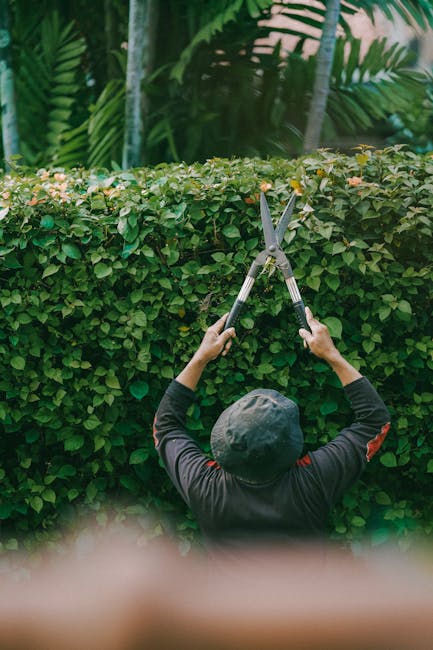
It is also common for customers to want a service that covers more than the grass alone. Where hedges, borders or other planted areas are beginning to encroach on the lawn, a combined approach can save time and produce a cleaner finish. Hedge trimming can be useful when the shape of the garden is being refreshed, especially if overgrowth is casting shade or spilling into walking space. Keeping those edges controlled can make the mowing itself easier too.
For lawns within a broader garden plan, the mowing visit may be paired with other outdoor improvements later in the season. If you are considering a more substantial change to the layout, materials or planting structure, the service can be coordinated with longer-term work on the same site. The important point is to match the level of care to the garden’s condition, rather than assuming every lawn needs the same treatment every time.
Preparing for a mowing visit

To make mowing straightforward, it helps if the lawn is as accessible as possible before the visit. Moving toys, loose pots, garden furniture or other small obstacles out of the way can prevent delays and allow a cleaner cut along the edges. If there are gates, side passages or other access points that need to be opened, it is also useful to make those arrangements in advance so the work can begin without avoidable interruption.
When asking for a quotation, a short description of the garden is usually enough to get started. The most useful details are the approximate lawn size, whether the grass is currently short or overgrown, and whether you want clippings taken away or left on site. A clear picture of access and any awkward areas helps us quote more accurately. You can also mention whether the lawn is part of a wider garden that may later need services overview guidance or a broader schedule of outdoor care.
There is no need to overcomplicate the request. A sensible quote process should be simple, with enough information to understand the work and decide what is involved. If you already know that the garden has slopes, tight corners or sections that are difficult to reach with a standard mower, include that in your enquiry. Clear information at the outset makes it easier to match the work to the site and avoids confusion later.
Lawn edges, borders and precision work
Good mowing is partly about control. Lawns often look best when the grass is cut evenly but the edges are kept sharp against beds, paving and walls. That precision can be especially important in smaller gardens where every line is visible. Careful edging helps define the shape of the space and gives the impression of a much tidier outdoor area even when the lawn itself is quite simple.
In gardens with planting borders, a careful cut helps avoid damage to stems, bulbs and low foliage. It also reduces the chance of leaving stray strands where the mower has not quite reached. For more involved outdoor reshaping, landscape gardening may be useful if the lawn is being considered as part of a larger design or layout change. That keeps the mowing service properly focused while acknowledging that some gardens need more than a routine cut.
Where precision matters, a slower and more attentive method is often the better choice. The final result should look intentional, with the lawn bounded neatly and the grass height consistent across the usable area. We use practical methods suited to ordinary domestic gardens and managed outdoor spaces, keeping the focus on reliable finish rather than unnecessary flourish.
Helping the lawn stay healthy between visits
Lawn care does not end when the mower is packed away. The condition of the turf between visits affects how well it responds to the next cut, so it can be helpful to think about the lawn’s general health as part of the mowing plan. Avoiding scalp cuts, allowing the grass to recover between trims and keeping the surface free from heavy debris all support a better appearance over time.
Some gardens benefit from broader maintenance beyond mowing alone. Garden maintenance can include the kind of ongoing attention that stops grass edges, weeds and surrounding growth from overtaking the lawn. Where trees are shading the grass heavily or dropping material onto it, tree lopping and removal may be relevant in a separate discussion if the problem is affecting the garden structure as a whole. The aim is always to match the work to the real condition of the site.
Small changes in routine can make a visible difference. Leaving the lawn slightly longer in dry spells, avoiding repeated turns in the same place and preventing compacted damp patches all help keep the turf in better shape. These are practical considerations rather than strict rules, but they explain why a careful mowing service is more than a quick pass across the grass. It is a measured way of keeping the garden usable and presentable.
About Dulwich
Dulwich is an area in south London known for a distinctive blend of residential streets, open spaces and cultural landmarks. The name usually refers to a wider district that includes Dulwich Village, East Dulwich and West Dulwich, each with its own character and local pattern of streets and amenities. The area’s history is closely tied to the Dulwich Estate, which has shaped much of the built environment over time and helped preserve a sense of continuity across parts of the district. That legacy is still visible in the mixture of period houses, tree-lined roads and established community institutions. Dulwich Picture Gallery is one of the best-known landmarks, celebrated for its collection and for being one of the earliest purpose-built public art galleries in England. Nearby, Dulwich Park offers a large green space with broad paths, water features and mature trees, while Belair Park and parts of Sydenham Hill Woods add further open and wooded landscape to the area. Rail links, local schools and village-style high streets contribute to a residential atmosphere that feels both settled and active. The surrounding architecture varies from Georgian and Victorian buildings to later family homes and modern infill, creating a layered streetscape rather than a single uniform style. This combination of heritage, greenery and everyday urban life gives Dulwich a recognisable identity within south London.
Choosing the right mowing schedule
The right mowing schedule depends on how the grass grows, how often the garden is used and how formal you want the finish to be. Some lawns benefit from frequent light cuts that keep the grass consistently neat, while others are better served by less frequent but still regular attention. The key is to avoid extremes: letting the grass get too long can make the next cut more difficult, while cutting too short may leave the lawn stressed and thin in appearance.
If the garden is used by children, pets or visitors, a tidy and level lawn can help keep the space practical as well as attractive. In shared settings, keeping the grass controlled also helps the whole outdoor area feel better managed. Where the lawn is part of a larger property that also needs outdoor tidying, landscaping may be relevant for structural changes, planting adjustments or hard landscaping work that goes beyond the mowing itself. That keeps each service in its proper place.
Ask for a quotation when you are ready, and include enough detail for the work to be understood clearly. If you want a one-off cut, a regular schedule or a tidy finish as part of a broader garden visit, say so from the start. A short, accurate enquiry is usually the quickest route to a suitable response. We can then discuss what the mowing job involves and what is likely to be included.
Final details before you enquire

There are a few practical matters that can shape a mowing quote. Access, the amount of grass to be cut, how long the lawn has been left and whether additional tidying is needed all affect the time and equipment involved. If the area is particularly intricate, with narrow runs or multiple separated sections, it may need a slightly different approach from a simple rectangular lawn. Being clear about those details is helpful from the outset.
If you are comparing services, it can be sensible to think first about the outcome you want: a routine cut, a restorative tidy-up or a more regular maintenance arrangement. Once that is clear, any extra work can be considered alongside the mowing. In some cases, people also combine the lawn visit with broader outdoor improvements, and pages such as pricing and quotes can help frame the conversation before a formal request is made.
For most customers, the simplest next step is to describe the garden plainly and ask what would be involved. That keeps the process straightforward and avoids unnecessary detail. If you need a neat, dependable lawn finish in Dulwich, the practical way forward is to get the work assessed properly and then decide on the right level of care. Send your details and we will take it from there.
Related outdoor services

Lawn mowing often sits alongside other garden work rather than standing completely alone. If the outdoor space needs a more complete reset, the grass cut can be paired with broader tidying, hedge work or a reorganisation of planting and borders. That does not mean every garden needs a full overhaul; it simply means the mowing service can sit within a wider plan where the site would benefit from more than one type of care.
When the work extends beyond routine grass cutting, it is sensible to think in terms of the whole space. A lawn may be the most visible surface, but paths, edges, shrubs and hard landscaping all influence how tidy the garden appears. Where required, the lawn visit can be coordinated with other pages such as decking services or landscape gardening if those elements are part of a wider outdoor project. The result is a more coherent plan rather than disconnected tasks.
If you are ready to move forward, the best next step is to ask for a quotation and describe the condition of the lawn as it stands now. Whether you want a simple cut or a more considered maintenance arrangement, a clear enquiry makes it easier to recommend the right approach. We are ready for that conversation when you are.