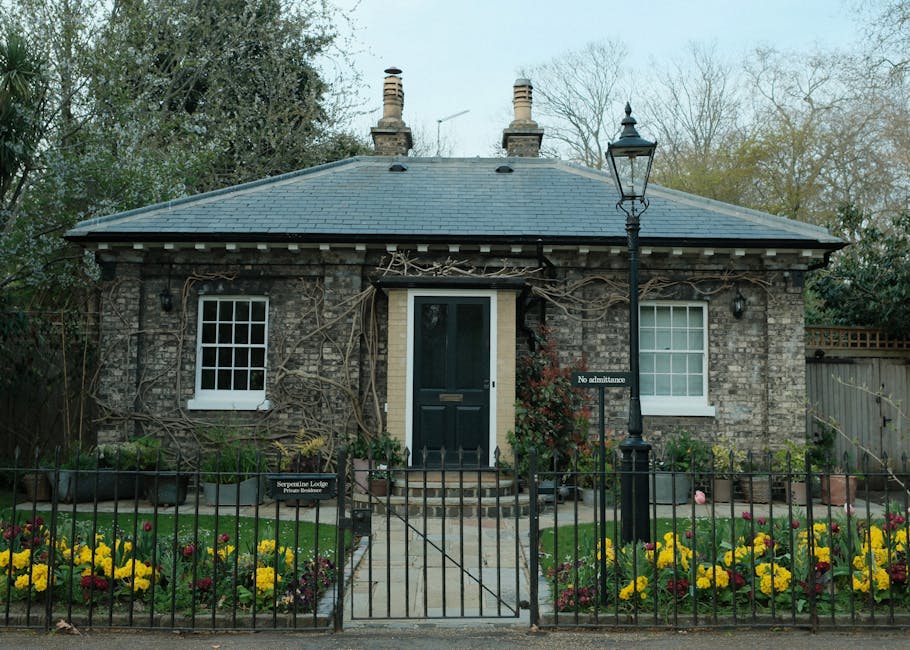
Dulwich Village gardeners top tips for listed properties
If you own a listed home in Dulwich Village, the garden is never just "outside space". It is part of the story of the house. The wrong fence, the wrong paving, or even a rushed pruning job can jar against the character of the property. The right approach, though, can make everything feel calm, elegant, and properly in keeping. These Dulwich Village gardeners top tips for listed properties are written for real-life upkeep: preserving period charm, avoiding avoidable mistakes, and making the garden work for modern living without upsetting the heritage balance.
Truth be told, listed properties can be wonderfully rewarding and slightly fussy at the same time. One week you are dealing with a clipped yew hedge; the next you are checking whether a stone edging, a retained wall, or a new planting scheme is likely to be acceptable. That is exactly why a thoughtful plan matters. Below, you will find practical guidance on what to do, what to avoid, and how to choose garden work that respects the building and the setting around it.
If you are looking for broader local help as well, it can be useful to read about garden maintenance services, or explore a dedicated garden design approach if you are thinking about a bigger redesign. For homes where access, boundaries, and paving need a more tailored plan, the guidance on landscaping is also worth a look.
Table of Contents
- Why Dulwich Village gardeners top tips for listed properties Matters
- How Dulwich Village gardeners top tips for listed properties Works
- Key Benefits and Practical Advantages
- Who This Is For and When It Makes Sense
- Step-by-Step Guidance
- Expert Tips for Better Results
- Common Mistakes to Avoid
- Tools, Resources and Recommendations
- Law, Compliance, Standards, or Best Practice
- Options, Methods, or Comparison Table
- Case Study or Real-World Example
- Practical Checklist
- Conclusion
- Frequently Asked Questions
Why Dulwich Village gardeners top tips for listed properties Matters
Listed properties need a slightly different gardening mindset. In a newer home, you may feel free to change materials, reshape beds, or install lighting without much concern. In a listed setting, those decisions deserve a more careful eye. The garden, boundary treatment, hard landscaping, trees, and sometimes even the way a view is preserved all contribute to the character of the place.
That matters in Dulwich Village more than people sometimes expect. The area has a strong sense of architectural continuity, mature planting, and leafy streets that reward restraint rather than flashy updates. A good gardener understands that the aim is not to overpower the house. It is to frame it. To make the approach feel elegant. To keep the planting generous but not chaotic. To avoid anything that looks too modern, too harsh, or simply out of step.
For a listed property owner, the risk is not only visual. Poorly considered work can create long-term maintenance problems too. Heavy hard landscaping can stress old drainage patterns. Aggressive root disturbance can affect established trees or nearby structures. Cheap materials can weather badly and look tired within a season. A careful gardener thinks ahead, not just about next Saturday, but about how the space will sit in two or three years.
That is the real value of sensible, locality-aware advice. It helps you protect the heritage value of your home while still having a garden you actually want to spend time in. And, let's face it, that balance is where the best results live.
How Dulwich Village gardeners top tips for listed properties Works
At its core, the process is about working with the property rather than against it. Good garden care starts with observation. What is the house made from? What era does it belong to? Which elements are original, which are later additions, and which parts of the garden are most visible from the street or principal rooms?
A skilled gardener will usually begin by reading the space in layers:
- Heritage layer: what contributes to the listed character, such as boundary walls, mature trees, terraces, paths, or formal planting geometry.
- Practical layer: drainage, access, shade, soil type, and how the garden is actually used day to day.
- Aesthetic layer: colour, balance, seasonal texture, and how the garden feels from key viewpoints.
Once those layers are clear, decisions become much easier. For example, a compact courtyard may need subtle planting structure and excellent drainage rather than more features. A larger rear garden might allow a more generous planting palette, but still benefit from a restrained material choice. A front garden on a listed terrace usually needs a gentler touch still, because it carries so much of the public-facing character.
In practical terms, the work often involves a mix of light maintenance, careful pruning, heritage-sensitive planting, and selective improvements. You may not need a full transformation. In fact, many listed gardens improve most when the changes are modest. A little editing here, some seasonal replanting there, and the whole place starts breathing again.
If your garden also needs ongoing seasonal support, the information on hedge cutting and shaping can be useful, especially where boundary structure matters. For properties where trees play a major role in the setting, the page on tree surgery can help explain the kind of careful work that may be involved.
Key Benefits and Practical Advantages
Working with experienced gardeners on a listed property brings advantages that go beyond tidiness. A well-maintained heritage garden can make the home feel coherent, calmer, and more expensive-looking without shouting about it. That understated quality is exactly what suits Dulwich Village.
Some of the most practical benefits include:
- Better visual harmony: planting and materials feel connected to the house rather than competing with it.
- Reduced risk of damage: careful pruning and maintenance lower the chance of issues near old brickwork, stone, or mature roots.
- More manageable upkeep: a smart planting plan means less panic-pruning and fewer messy rescue jobs later on.
- Improved kerb appeal: for front gardens and approaches, subtle improvements often deliver the strongest first impression.
- Heritage sensitivity: the garden retains the sense of age and place that makes listed homes special in the first place.
There is another benefit people sometimes miss. Good maintenance decisions can save money over time. Not in some dramatic, headline-grabbing way, but through fewer unnecessary replacements, fewer bad fixes, and less wear caused by inappropriate materials. A stone path that suits the property will usually outlast something cheap and mismatched. A hedge that is trained properly is easier to live with than one that is hacked back every spring and left to sulk.
And if you are improving the wider outdoor setting, it can make sense to review broader support too, such as fencing for boundary repairs or patio cleaning where old surfaces need careful restoration rather than replacement.
Who This Is For and When It Makes Sense
This guidance is for anyone responsible for a listed property in Dulwich Village or a similarly heritage-sensitive part of London. That may mean a homeowner, a landlord, a trustee, or someone managing a property on behalf of a family. It also applies if you are preparing to buy a listed house and want to understand the outdoor maintenance implications before making decisions.
It makes sense to take a listed-property approach if you are dealing with any of the following:
- a formal front garden with visible boundaries
- mature shrubs or trees that shape the setting of the house
- old paving, brick paths, steps, retaining walls, or terraces
- an overgrown garden that needs careful recovery, not just a tidy-up
- planning a redesign and wanting to avoid a clash with the property's character
You do not need a grand estate for this to matter. Even a modest terrace or semi-detached home can have listed elements that need a light touch. Sometimes the smallest details matter most. A replacement edging strip, a new gate, or a revised bed layout can change the feel of the whole frontage. Quite a lot hinges on the little things, honestly.
If you are unsure where to start, a sensible first step is an assessment of the current garden condition and how much of the space is original, altered, or simply tired. For some homes, a maintenance-first approach is enough. For others, a gentle redesign is better. For others still, a deeper refurbishment makes sense. The trick is choosing the right level of intervention.
Step-by-Step Guidance
Listed gardens are best handled in a sequence, not a rush. Here is a practical way to approach the work without overcomplicating things.
1. Start with a careful walk-through
Look at the garden from the house, the pavement, and the boundary line. Notice what stands out immediately. Is the front garden cluttered? Is the rear space dominated by one overgrown shrub? Are the paths uneven or visually heavy? The first walk-through gives you the honest picture, which is often more useful than any grand plan.
2. Identify what is sensitive
Mark the elements that feel historically important or visually defining: old walls, established trees, original paving, ironwork, formal planting, or preserved views. These are usually the features you protect first. If you are not sure whether something is significant, err on the cautious side and treat it as if it matters until clarified.
3. Separate maintenance from improvement
Some jobs are simply maintenance: pruning, weeding, hedge shaping, deadheading, and seasonal clearance. Others are improvements: new planting, new edging, new surfaces, or layout changes. Keeping those categories separate helps you avoid drifting into accidental overwork. It also makes it easier to budget and prioritise.
4. Choose materials that sit quietly
For listed homes, the best materials are often the ones that do not try too hard. Natural stone, handmade brick, timber, and planting that echoes the property's age usually work better than glossy, sharply contemporary finishes. That does not mean you cannot be modern. It just means the modern touch should be subtle.
5. Prune for shape, not just control
With older properties, pruning should support the overall architecture. A hedge can define a frontage. A shrub can soften a wall. A climber can add depth to a facade. Over-pruning strips that all away. If a plant is getting unruly, the answer is not always a hard cut. Sometimes it needs staged reduction or replacement with something more suitable.
6. Improve structure before adding lots of colour
People often want flowers first. Fair enough. But on a listed property, structure usually matters more. Good bones make the garden feel settled: paths, edges, clipped forms, repeated planting, and clear circulation. Once that is in place, seasonal colour can do its job beautifully. Without structure, colour can look a bit scattered.
7. Review access and maintenance frequency
Ask how much ongoing care the garden really needs. A formal border full of high-maintenance plants may look lovely in June and exhausting by August. If you want a more manageable setup, choose plants and layouts that suit your available time or service schedule. This is where a realistic plan saves a lot of stress later.
8. Finish with a long-term maintenance rhythm
The best listed gardens are not fixed once and forgotten. They are kept gently in shape. Seasonal visits, light pruning, tidy edges, and a watchful eye on trees and hard surfaces can preserve the look far better than periodic dramatic interventions. Slow and steady usually wins here. Not glamorous, but true.
Expert Tips for Better Results
Here is where experienced gardeners tend to make the difference. The details matter, especially on heritage properties where small changes have a big visual effect.
Use repetition to calm the space
Repeating a few plants or shapes across the garden creates rhythm. In a listed setting, that sense of order can feel wonderfully appropriate. Think clipped forms, recurring textures, and restrained colour palettes. It is easier on the eye and tends to age more gracefully.
Respect the house before the garden "theme"
A garden should not become a themed performance. If the property has Georgian restraint, do not fight it with overly exotic planting just because it looked striking in a magazine. If the house has softer, more romantic lines, then structured planting still helps, but can be less formal. The house leads. The garden listens.
Choose plants for habit as much as appearance
Plenty of plants look lovely in a nursery and then turn difficult in real life. For listed properties, growth habit matters hugely. Will the plant lean into a path? Shed heavily onto a stone surface? Block a view? Demand constant cutting? A good choice stays elegant without demanding too much from you.
Protect roots and drainage zones
Old gardens often have mature trees or long-established shrubs whose root systems are doing more than people realise. Digging too close can upset stability, drainage, or the health of the planting itself. If work needs to happen nearby, do it carefully and in stages. No heroics.
Keep the front garden especially restrained
Front gardens and boundary treatments are often the first thing people see, and in heritage areas they can have a disproportionate impact. If the front is cluttered, overplanted, or too hard-landscaped, the whole property can feel heavier than it should. Sometimes the most elegant move is removing rather than adding.
Plan for the seasons, not just one moment
Some gardens look fine in peak summer and then collapse into a grey tangle by October. A proper plan thinks across the year: winter structure, spring lift, summer fullness, autumn texture. In London, where light can shift quickly between seasons, that balance matters a lot.
If you want recurring support rather than a one-off intervention, it may help to discuss a regular schedule through a local gardening service. For more intensive overhaul work, a coordinated lawn care or groundcover strategy can also bring the whole scheme back into balance.
Common Mistakes to Avoid
Listed-property gardens often go wrong in familiar ways. The good news is that most of them are avoidable once you know what to look for.
- Replacing original-feeling materials too quickly: old brick, stone, or timber details often suit the property better than modern substitutes.
- Over-pruning mature planting: a hard cut can remove structure that took years to develop.
- Using plants that outgrow the space: what seems charming in year one can become a nuisance by year three.
- Ignoring drainage: heavy new surfacing or compacted soil can create standing water and root stress.
- Adding too many features: one thoughtful intervention is often better than several competing ones.
- Assuming all "tidy" work is harmless: some garden changes may look small but affect the building's setting.
One common trap is trying to make a heritage garden look instantly new. That urge is understandable. Nobody wants a neglected space. But a listed garden usually rewards patience. If you strip it back too much, it can lose warmth and depth. If you overfill it, it can feel fussy. The sweet spot is somewhere in between, and yes, it can take a little time to find.
Another mistake is forgetting how the garden looks from indoors. In Dulwich Village, many gardens are experienced through windows and doors as much as from the lawn or terrace. If the view from the sitting room feels cramped or messy, you will notice it every single day. Better to resolve that first.
Tools, Resources and Recommendations
You do not need an enormous kit to look after a listed garden well. In fact, the right tools and a modest plan are usually better than a shed full of optimism and nowhere to put it.
| Area of work | Useful tools or materials | Why it helps in a listed property |
|---|---|---|
| Pruning and shaping | Bypass secateurs, loppers, pruning saw | Allows selective cuts rather than harsh removal |
| Path and border care | Hand fork, edging iron, stiff broom | Helps keep edges neat without disturbing surfaces |
| Planting | Quality compost, mulch, watering can or hose with care | Supports healthy establishment while protecting soil structure |
| Surface work | Soft washing methods, appropriate restoration products | Protects older paving and masonry from aggressive cleaning |
| Long-term care | Seasonal calendar, notes, simple garden map | Keeps maintenance decisions consistent and less reactive |
There are also service pages that may help you plan next steps more clearly. If your garden includes walls, fences, or boundary lines that need attention, the page on fencing is a useful reference. If you are dealing with a garden that has become crowded or overgrown, garden clearance can be the practical first stage before any sensitive improvements begin. For broader seasonal work, the weed control guidance is also helpful, especially where beds and paths need regular upkeep.
And if you are simply trying to decide whether to maintain, refresh, or redesign, it is worth speaking with someone who understands both gardening and heritage constraints. That combination is where the real value sits. Not all services are equal here, to be fair.
Law, Compliance, Standards, or Best Practice
Listed properties can involve extra sensitivities, so a cautious approach is sensible. The exact rules depend on the property, its listing status, any local restrictions, and whether the work affects protected features or the setting of the building. Because of that, it is wise not to assume that every garden change is automatically routine.
As a general best-practice principle, check before you alter anything that may affect:
- historic boundary walls, railings, or gates
- original paving, steps, or terraces
- large or protected trees
- the overall appearance of the property from the street
- any feature that seems to be part of the original character of the house
If you are unsure, a conservation-aware gardener or surveyor can help you judge whether an action is simple maintenance or something that may need formal checking. That distinction matters. Everyday pruning and weeding are one thing; replacing a significant hard-landscaping feature is another.
It is also sensible to work in a way that respects established garden craft. Gentle pruning, breathable materials, compatible planting, and reversible interventions are usually safer choices than heavy-handed changes. In the UK, that conservative approach is often the smartest one anyway. It protects the look of the property and lowers the risk of expensive mistakes later.
If a job touches trees, root zones, or structural features, don't guess. Ask first. It can save a lot of grief. And yes, a little delay is better than an avoidable repair bill.
Options, Methods, or Comparison Table
Choosing the right approach depends on the condition of the garden and how much change you want. Here is a simple comparison that often helps homeowners decide what to do next.
| Approach | Best for | Strengths | Watch-outs |
|---|---|---|---|
| Maintenance-only | Healthy gardens that mainly need tidying | Low disruption, preserves character, cost-conscious | May not solve deeper layout or drainage issues |
| Gentle refresh | Gardens that feel tired but structurally sound | Improves appearance without losing heritage feel | Needs careful plant and material choices |
| Heritage-led redesign | Spaces with awkward layout or failed planting | Can improve usability while respecting the property | Requires more planning and probably more expertise |
| Restoration-first approach | Overgrown or neglected listed gardens | Brings the space back to a workable condition | May uncover hidden issues with roots, surfaces, or drainage |
The best option is not always the most ambitious one. Sometimes a listed garden needs a season of disciplined maintenance before any redesign is even sensible. A calm reset can reveal the bones of the space. Then you know what is worth keeping.
Case Study or Real-World Example
Imagine a rear garden in Dulwich Village with a listed Victorian house, a small terrace, and a border that has slowly become a tangle of shrubs, self-seeded climbers, and tired edging. Nothing is broken, exactly. It just feels a bit forgotten. The owner wants a neater space for morning coffee and occasional entertaining, but does not want anything that looks too modern or stripped out.
A heritage-sensitive approach would probably begin with a gentle clearance rather than a full overhaul. The gardener would remove the worst congestion, identify any plants worth keeping, and look at how the garden is seen from the kitchen doors. Then the design could be simplified: perhaps one or two evergreen anchors, repeated seasonal planting, a quieter paving edge, and a more disciplined pruning schedule.
The key thing is restraint. A lot of people rush to add. In this kind of garden, the smarter move is often to subtract first. Once the clutter goes, the original shape of the space starts to show itself. That can be surprisingly satisfying. You look out one morning and think, oh, there it is. The garden was in there all along.
For properties that need this kind of staged approach, a combination of planting, regular garden maintenance, and selective structural work usually gives the best result. If paving, borders, or access paths are involved, it may also be worth checking driveway and access surface options where appropriate, especially if the front approach is part of the property's presentation.
Practical Checklist
Use this checklist before starting work on a listed property garden. It keeps things grounded.
- Identify which parts of the garden contribute most to the character of the property.
- Check whether any boundary, paving, wall, or tree work needs extra care.
- Separate simple maintenance from any proposed changes.
- Choose materials that sit naturally with the age and style of the house.
- Avoid over-pruning mature shrubs, climbers, or hedges.
- Review drainage before adding hard landscaping or heavy structures.
- Keep the front garden calm and proportionate.
- Plan planting for year-round structure, not just one season.
- Set a maintenance rhythm that you can actually sustain.
- If uncertain, ask for heritage-aware advice before making changes.
Expert summary: The best results on listed properties usually come from small, respectful improvements rather than dramatic changes. Protect the original character, strengthen the structure, and let the garden breathe. That is the sweet spot.
Conclusion
Dulwich Village gardens often succeed because they feel settled, leafy, and quietly elegant. Listed properties need that same touch. Not rigid. Not overworked. Just considered. If you take the time to understand the building, protect the sensitive features, and choose materials and planting that belong there, the garden will reward you year after year.
The best Dulwich Village gardeners top tips for listed properties are rarely about doing more. They are about doing the right things in the right order, with a decent eye for proportion and a bit of patience. That, honestly, makes all the difference. And if the space has been neglected for a while, do not worry. A careful reset can bring it back without losing its soul.
Get a free quote today and see how much you can save.
With the right care, a listed garden does not have to feel precious or fragile. It can feel lived-in, graceful, and genuinely welcoming - which is, after all, exactly what a good home should do.
Frequently Asked Questions
What makes gardening for listed properties different?
It is different because the garden is part of the property's historic character. Materials, planting, boundaries, and hard landscaping often need a more careful, restrained approach than they would in a standard modern garden.
Do I need permission to change my listed property garden?
Not every garden task needs formal approval, but changes that affect protected features, the setting of the property, or significant structures may need checking first. If in doubt, ask before starting work.
Can I replace old paving on a listed property?
Sometimes yes, but it depends on the paving, its significance, and what replacement is proposed. A like-for-like or visually sympathetic repair is often safer than a bold new material choice.
What plants work well in listed gardens?
Usually plants with good structure, manageable growth, and a shape that suits the house. Think clipped evergreens, restrained border perennials, and climbers used with care. The best plant choice depends on light, soil, and the style of the property.
How often should a listed property garden be maintained?
That depends on the size and complexity of the garden, but regular light maintenance is usually better than infrequent heavy work. Seasonal visits often prevent the garden from drifting into a state that needs drastic correction.
Is heavy pruning a bad idea for heritage gardens?
Often, yes. Heavy pruning can remove shape, damage old planting, and leave the garden looking stark. Sometimes it is necessary, but it should be used carefully and only when the plant or layout really needs it.
What is the safest way to improve a neglected listed garden?
Start with a careful clearance, identify what should be kept, and then make gradual improvements. It is usually better to work in stages than to strip everything back at once.
How do I keep a front garden in a listed area looking right?
Keep it simple, tidy, and proportionate. Use restrained planting, respect original boundaries where possible, and avoid materials or features that compete with the house.
Can modern garden design work with a listed building?
Yes, if it is handled with restraint. Modern lines, subtle lighting, or clean surfaces can work, but they should usually sit quietly alongside the building rather than dominate it.
What should I ask a gardener before hiring them for a listed property?
Ask whether they have experience with heritage-sensitive gardens, how they handle pruning and materials, and whether they think in terms of maintenance as well as design. A thoughtful answer is usually a good sign.
Are trees a special concern near listed homes?
Yes. Mature trees can be one of the most valuable features of a listed property, but they also need careful management. Root zones, canopy work, and proximity to structures should be handled cautiously.
What is the biggest mistake people make with listed gardens?
Trying to improve too much, too fast. The most successful gardens usually come from patient editing, sensible maintenance, and respect for what is already there.