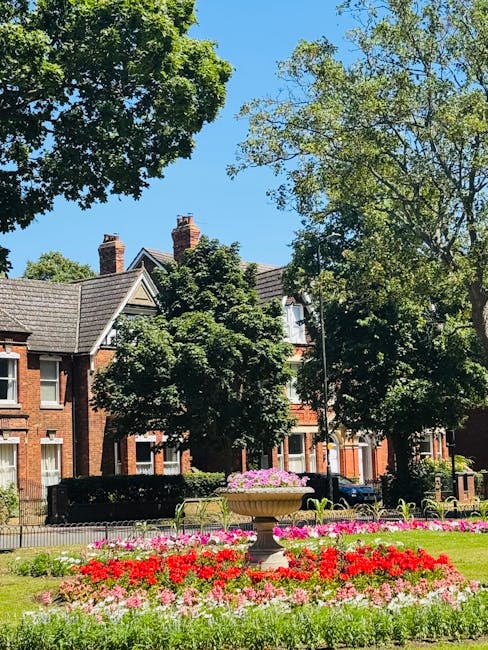
Quick garden maintenance booking tips Dulwich SE21

If your garden has slipped from "pleasantly tidy" to "where did all these weeds come from?", you are not alone. Booking garden help quickly should be simple, but in practice it can feel oddly fiddly: what do you ask for, how soon can someone come, what should you mention upfront, and how do you avoid delays on the day? This guide to Quick garden maintenance booking tips Dulwich SE21 is designed to take the pressure off. It walks you through what to do, what to watch for, and how to book with confidence-without wasting time on back-and-forth messages that go nowhere.
Whether you need a one-off tidy-up, regular upkeep, or a larger reset after a busy season, the trick is to be organised enough to be fast. That's the sweet spot. Let's get into it.
Why Quick garden maintenance booking tips Dulwich SE21 Matters
In a place like Dulwich SE21, gardens are part of the home's first impression. Front gardens, small courtyards, back lawns, boundary hedges, and shared access areas all start to look tired quickly if they are left too long. A quick booking process matters because overgrown spaces don't just look messy; they become harder to manage. Grass gets longer, edges blur, hedge growth thickens, and little jobs start turning into bigger ones.
There is also a simple timing issue. Garden work is weather-sensitive. A damp week can shift schedules, a dry spell can speed up growth, and leaf fall can turn what looked like a straightforward tidy into a fuller clearance. If you can book quickly, you can often catch the garden before it slides into that "too far gone" stage. Truth be told, that saves money, hassle, and a fair bit of stress.
For homeowners, landlords, letting agents, and busy households, quick booking also means less disruption. You can plan around school runs, work calls, deliveries, and neighbours. That sounds small, but it makes the whole experience smoother. And smooth is good. Nobody wants three missed calls and a week of waiting just to have the hedge cut back.
Expert summary: the fastest garden bookings are usually the ones with the clearest brief, the best access, and the fewest unknowns. If you give the right information upfront, you are far more likely to get an accurate quote and a prompt visit.
How Quick garden maintenance booking tips Dulwich SE21 Works
The booking process is usually straightforward, but a little preparation goes a long way. A good provider will want to know what type of garden maintenance you need, how urgent it is, where the property is, and whether there are any access issues. From there, they can decide whether the job suits a quick visit, a routine maintenance slot, or a more involved service.
In practical terms, quick booking often follows the same pattern:
- You send a short description of the work needed.
- You share a few clear photos, ideally from different angles.
- You explain access details, parking, and timing preferences.
- You receive an estimate or a visit plan.
- You confirm the slot and prepare the garden for the team.
That may sound basic, but the difference between a tidy, efficient booking and a frustrating one is often only a handful of details. For example, "front garden needs a tidy" is too vague on its own. "Front and back garden, lawn cut, hedge trim, weeds removed from borders, no waste left behind" is far more useful. One takes minutes to write; the other saves everyone time later. Bit of a no-brainer, really.
If the provider offers wider garden work, it can also help to know whether you need only maintenance or a broader refresh. Some gardens benefit from regular upkeep, while others are better handled with one-off garden clearance before returning to a maintenance schedule. That distinction matters because it affects the tools, time, and pricing structure.
Key Benefits and Practical Advantages
Quick booking is not just about speed for speed's sake. It gives you better control over the job and usually leads to a better result.
- Less time spent organising: You avoid long email chains and repeated follow-up messages.
- More accurate quotes: Clear photos and a precise brief reduce guesswork.
- Faster turnaround: A ready-to-go request is easier to fit into the diary.
- Better garden outcomes: Small issues get handled before they become major ones.
- Lower stress: You know what is happening, when, and why.
- Safer working conditions: Good information helps the team prepare properly.
There is also a hidden benefit: good booking habits help you compare providers more fairly. If two quotes are based on the same level of detail, you can compare like for like. If one quote is vague and the other is specific, the second one is often more reliable. That's the sort of detail people only learn after a few less-than-ideal experiences, usually on a windy Tuesday when the bins are already out and the hedge is halfway through blocking the path.
If your garden includes lawns, routine maintenance often starts with mowing and edging. For many properties, regular lawn mowing is the backbone of a tidy appearance, with trimming and weed control layered on top.
Who This Is For and When It Makes Sense
Quick booking tips are useful for anyone who wants their garden maintained without the admin drag. Still, some people benefit more than others.
This is especially relevant if you are:
- a homeowner preparing for guests, photos, or a property sale
- a landlord wanting a tidy exterior between tenancies
- a tenant hoping to keep outdoor areas presentable and manageable
- a busy family juggling work, school, and home maintenance
- an older resident who wants dependable, straightforward help
- a property manager or letting agent needing consistent upkeep
It also makes sense when your garden has changed faster than your schedule. A burst of spring growth, a spell of wet weather, or a summer holiday can all leave you with more work than expected. Sometimes the garden just sneaks up on you. One week it looks fine; the next, the borders are doing their own thing.
If you are dealing with hedges, mixed borders, or a garden that needs shaping as well as tidying, it can be worth looking beyond basic mowing. A service that includes hedge trimming may be more appropriate than a quick cut alone, especially where boundary lines and street-facing views matter.
Step-by-Step Guidance
Here is the simplest way to book garden maintenance quickly without making avoidable mistakes.
1. Decide what actually needs doing
Start with the basics. Do you need mowing, hedge cutting, weed removal, leaf clearance, pruning, or a general tidy? If you are not sure, walk through the garden once and make a short list. Keep it simple. The goal is not to write a novel. It is to help someone price the work properly.
2. Take clear photos in daylight
Good photos help more than people realise. A few wide shots from the corners of the garden, plus close-ups of problem areas, can give a much better picture than a vague description. Early afternoon light often works best, but any bright natural light will do. Avoid dark, blurry images. They do nobody any favours.
3. Note access and parking details
Can a van park nearby? Is there side access? Are gates narrow? Is there a shared alley or locked rear entrance? These details affect timing and sometimes the type of equipment that can be brought in. In Dulwich SE21, parking and access can be more straightforward in some streets than others, so it is worth mentioning early.
4. Say how urgent the job is
If you need the garden ready before a family gathering, end-of-tenancy handover, or building work, say so. "This week if possible" is more useful than "soon". A little urgency goes a long way when schedules are tight.
5. Ask what is included
Not every quote includes waste removal, green disposal, edging, or follow-up work. Ask what is covered so there are no surprises. That one question can save a surprisingly awkward conversation later.
6. Confirm the visit time and duration
If the provider gives you a time window, check whether you need to be home. Ask how long the work is expected to take and whether anything should be moved beforehand. This is especially useful if the team will need power access, water access, or a clear path to the rear garden.
7. Prepare the space
Move toys, furniture, hoses, fragile pots, and anything else that might slow the job down. A clear garden is a faster garden. It also reduces the risk of accidental damage, which everyone prefers, obviously.
8. Follow up on recurring maintenance
If the garden will need regular upkeep, ask about a repeating schedule. Weekly or fortnightly maintenance can be easier to manage than emergency bookings. It keeps growth under control and stops the "all at once" problem from coming back.
Expert Tips for Better Results
Quick booking does not have to mean rushed booking. A few experienced habits make a noticeable difference.
Be specific about priorities. If the whole garden cannot be done in one visit, say which parts matter most. For example, you might want the front garden presentable first and the back garden cut back later. That helps the work get done in the right order.
Use plain English. Some people worry they do not know the technical terms. That is fine. You do not need to know the difference between all the pruning types. Say what you see: "the front hedge is blocking the path" or "the lawn has patches of long grass near the fence." Clear beats clever.
Check whether the garden needs clearance before maintenance. If the garden is heavily overgrown, a standard maintenance slot may not be enough. A provider may need to remove debris, cut back thick growth, or clear access first. If the site has a lot of built-up waste, ask whether the job should begin with a garden maintenance visit or a more intensive clean-up.
Think in seasons. In spring and early summer, growth can be fast. In autumn, leaf fall and damp surfaces create different problems. Winter bookings may be about tidying structure rather than heavy cutting. The best requests match the season, not just the calendar.
Keep a simple photo record. If you manage the garden regularly, take photos after a good tidy. Next time you book, you can show the standard you want. Very handy, and it saves a lot of explaining.
Practical tip: the fastest bookings usually come from clients who can answer three questions straight away: what needs doing, how soon it needs doing, and how the team gets in.
Common Mistakes to Avoid
Most booking problems are avoidable. They usually come from assumptions, not bad intentions.
- Being too vague: "Need garden work" is not enough. Say what areas, what tasks, and how urgent.
- Forgetting waste removal: Cuttings, branches, and green waste can add time if not planned.
- Leaving access unclear: Locked gates, pets, and parking restrictions should be mentioned early.
- Assuming every service is the same: One provider may focus on mowing, another on full maintenance or clearance.
- Booking at the last second without context: Last-minute jobs can be done, but the more detail you provide, the better the chances.
- Not checking the scope: Hedge trimming, border weeding, and leaf collection may be separate from the base service.
Another common slip is underestimating how long an overgrown area takes to sort out. A little hedge trim is one thing; a garden that has gone wild after a few rainy weeks is another. Not dramatic, just real. If in doubt, send photos and let the provider assess it properly.
If you need larger-scale work, especially where vegetation is dense or access is awkward, it may be better to look at landscape gardening or landscaping rather than squeezing a big job into a small slot.
Tools, Resources and Recommendations
You do not need a professional toolkit to book garden maintenance well, but a few simple things help you move faster.
- A phone camera: use it to capture the garden from several angles.
- A short written list: keep notes of the tasks you want done.
- Basic measurements: rough garden size can help with quoting, especially for lawn areas and hedge lengths.
- Access notes: gate codes, side passages, and parking restrictions should be handy.
- Seasonal reminders: set a calendar reminder for the next visit before the garden gets out of hand.
If you are comparing providers, a useful starting point is to review the service pages and pricing information together. That gives you a better sense of what is included and what sits outside standard maintenance. The site's services overview can help you understand the broader range of options available, while pricing and quotes is useful when you want to compare scope clearly.
For customers who care about disposal and waste handling, recycling and reuse matter too. Trimmings, leaves, and green waste should be managed responsibly where possible, so it is worth checking how a provider approaches that side of the work. The page on recycling and sustainability is a good place to look if that matters to you.
If you prefer to understand the company background before booking, there is nothing wrong with that. In fact, it is sensible. A quick look at the about us page can give you a feel for the team, and the homepage gives a broad sense of the main service focus.
Law, Compliance, Standards, or Best Practice
Garden maintenance is not usually complicated from a compliance point of view, but there are still sensible standards to keep in mind. In the UK, good practice means working safely, respecting neighbours, and handling waste responsibly. If a provider uses machinery, ladders, or cutting tools, they should be working with appropriate safety awareness and suitable insurance. That is not overkill; it is basic professionalism.
For homeowners and tenants, the main practical points are usually access, boundary care, and safe disposal. If branches overhang boundaries, if a hedge sits near a pavement, or if debris could create a slip risk, it is better to address it promptly. That is simply common sense, and it avoids nuisance for everyone nearby.
You should also be aware that some gardens contain mature trees, protected features, or shared boundaries where extra caution is needed. In those cases, a provider may need to assess the work carefully before cutting. It is always better to pause and check than to rush and regret it. Insurance and safety should be clear, not hidden in fine print. If a company is open about its approach, that is a good sign. Their insurance and safety page explains how they approach those basics, and the health and safety policy is worth a look if you want the fuller picture.
Waste disposal is another area where best practice matters. Green waste should be bagged, removed, reused, or recycled responsibly rather than dumped carelessly. Simple, really. If you are the kind of person who likes tidy edges and tidy ethics, that will matter to you.
Options, Methods, or Comparison Table
Different gardens need different booking approaches. Here is a simple comparison to help you choose the right path.
| Booking option | Best for | Typical advantage | Watch out for |
|---|---|---|---|
| One-off tidy-up | Seasonal reset, visitors, quick improvement | Fast, flexible, easy to arrange | May not solve recurring growth |
| Regular maintenance | Busy homes, rental properties, ongoing care | Keeps the garden under control | Needs a repeat schedule |
| Clearance plus maintenance | Overgrown gardens needing a reset | Deals with bigger problems first | More time and disposal planning |
| Specialist work | Hedges, trees, awkward access, structured planting | Better for specific tasks | May need a more detailed brief |
In many cases, the best choice is not the cheapest or the quickest-sounding one. It is the one that matches the actual condition of the garden. If the space is in decent shape, standard maintenance may be enough. If it has become unruly, a clearance-first approach is usually smarter. There is no prize for trying to cram a five-hour job into a one-hour slot.
Case Study or Real-World Example
A Dulwich homeowner wanted a front and back garden tidied before relatives arrived at the weekend. Nothing huge, just a presentable, comfortable space. The front path had weeds in the edges, the lawn was patchy and long, and the hedge near the boundary had started brushing past eye level. The back garden was manageable, but there were clippings, a few fallen branches, and a border that looked a little neglected.
Instead of sending a vague message, the homeowner shared three clear photos, wrote a short list of the tasks, and mentioned that access was through a side gate with parking nearby. They also said the work needed to happen before Friday afternoon. That small amount of detail meant the quote was quicker and the visit could be planned properly.
The result was not just a better-looking garden. It was a calmer process. No repeated calls, no surprises on the day, no "oh, we didn't realise about the back access" moment. And let's be honest, those moments are never fun for anyone.
The useful lesson here is simple: when you make the job easy to understand, you make it easier to book quickly. That is the whole game, really.
Practical Checklist
Use this before you send your booking request.
- List the tasks clearly: mowing, hedge trimming, weeding, leaf clearing, pruning, or general tidy-up.
- Add a few photos: wide shots plus close-ups of problem areas.
- Note access details: gates, keys, parking, side passages, or locked entrances.
- Say how soon you need it: today, this week, before a certain event, or as soon as possible.
- Ask what is included: waste removal, edging, collection, or follow-up visits.
- Check if the garden needs a clearance first: especially if it is overgrown.
- Prepare the space: move furniture, toys, ornaments, and fragile items.
- Keep contact details handy: in case the team needs to confirm arrival or access.
- Think about repeat maintenance: if the garden tends to get out of hand quickly.
- Save the provider's details: so the next booking is faster still.
If you keep this list nearby, booking takes minutes rather than half an afternoon. Nice, clean, done.
Conclusion
Booking garden maintenance quickly in Dulwich SE21 does not need to be a chore. The real secret is preparation: know what you need, share clear photos, mention access details, and be honest about urgency. Once you do that, you are far more likely to get a sensible quote, a suitable time slot, and a result that feels worth the effort.
Whether your garden needs a simple tidy, a hedge cut, or a more involved reset, the smartest approach is the one that keeps communication clear and expectations realistic. That saves time, reduces stress, and usually gives you a better outcome too. And yes, your garden will probably thank you for it in its own quiet way.
Get a free quote today and see how much you can save.
When you are ready, take one good look at the space, make your notes, and send the request. Small step, big difference.
Frequently Asked Questions
How do I book garden maintenance quickly in Dulwich SE21?
The fastest way is to send a short description of the job, include a few photos, mention access and parking, and say how soon you need the work done. Clear information helps providers give a quicker response and a more accurate estimate.
What details should I include in a garden maintenance request?
Include the tasks you want done, the condition of the garden, access details, whether waste needs removing, and any date or time preference. The more specific you are, the less likely you are to face delays or misunderstandings.
Is it better to ask for a one-off tidy or regular maintenance?
That depends on how fast your garden grows and how much time you have. A one-off tidy is great for a reset, while regular maintenance works better if you want to stay ahead of growth. Many busy households prefer a recurring schedule because it stops the garden from drifting into a bigger job.
Do I need to be at home for the appointment?
Sometimes yes, sometimes no. It depends on access, gate arrangements, and whether the team needs to confirm what is being done on arrival. If you are not going to be home, make the access arrangements clear in advance.
What if my garden is too overgrown for normal maintenance?
Then it may need a clearance-first approach before regular upkeep can begin. Heavy growth often needs more time, more labour, and sometimes more waste removal. Sending photos helps a provider judge that properly.
How can I compare quotes fairly?
Make sure each quote covers the same scope: the same tasks, the same garden areas, the same waste handling, and the same access conditions. If one quote is vague and another is detailed, the detailed one is usually easier to trust.
Are hedge trimming and lawn mowing usually included in maintenance?
Not always. Some maintenance visits include both, while others treat them as separate tasks. It is best to ask directly so there are no assumptions. Hedges, especially, can be priced differently depending on size and complexity.
What should I do before the team arrives?
Move garden furniture, toys, delicate pots, tools, and anything else that might block access or get in the way. Clearing the space helps the work start faster and reduces the chance of accidental damage.
How far in advance should I book?
If you want the best chance of a quick slot, book as soon as you notice the garden needs attention. During busy growing periods, even a few days' notice can help. That said, last-minute jobs are still worth asking about if you are pressed for time.
What happens to the green waste?
That depends on the service. Some providers remove it, some bag it for collection, and some may recycle or reuse it where suitable. Always ask so you know what is included and whether any extra disposal charges apply.
How do I know if a provider is reputable?
Look for clear service information, transparent pricing, sensible safety information, and a straightforward way to make contact. If the company explains what it does without hiding behind jargon, that is usually a good sign. A tidy website helps, but a clear quote helps more.
Can I book garden maintenance around a specific event?
Yes, and it is a very common reason people book quickly. Just be upfront about the deadline. Whether it is a family visit, a property viewing, or a special gathering, the date matters because it helps the provider prioritise the work correctly.